
 By
By 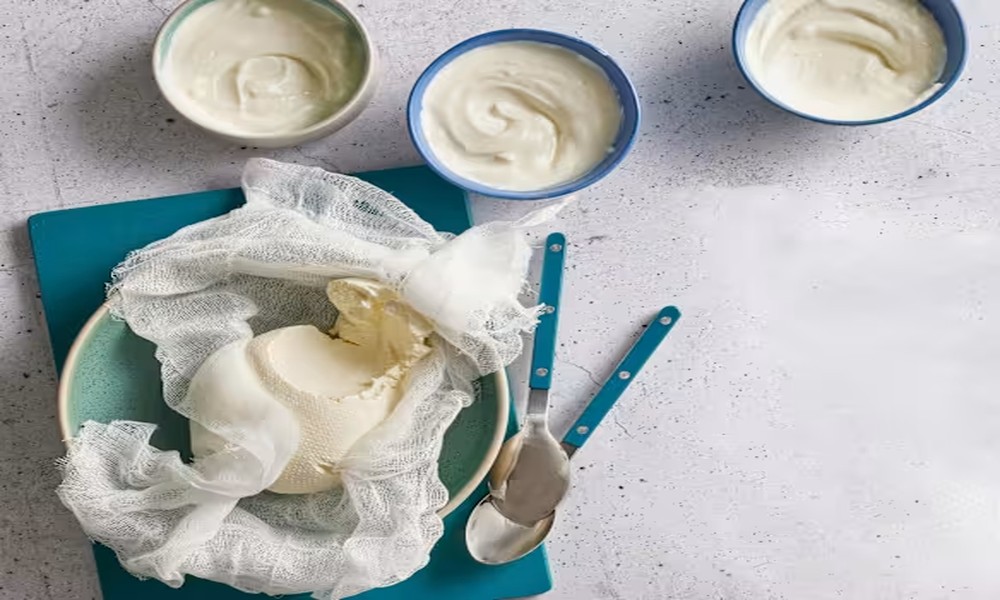
Natural yoghurt made with fresh, quality ingredients and achieved through careful fermentation is a fundamentally different product from the artificially thickened and flavour-enhanced alternatives that occupy much of the supermarket dairy aisle. The difference is immediately apparent in both taste and texture, and it reflects a production philosophy that prioritises the intrinsic quality of the raw ingredients over the cosmetic appeal of the finished product.
What Genuine Quality in Natural Yoghurt Looks Like
The quality of a natural yoghurt is determined at the point of milk selection, before fermentation even begins. Milk from well-maintained herds, handled hygienically from collection through to pasteurisation and processing, provides a starting material that results in a yoghurt with superior flavour, better nutritional integrity, and a more consistent texture.
Cheap yoghurt is often made from reconstituted milk powder, which reduces raw material costs but sacrifices the fresh dairy flavour that defines quality yoghurt. Thickeners such as modified starch, gelatine, or pectin compensate for the thinner body of lower-quality milk by adding viscosity artificially. These additives do not improve the nutritional profile or the probiotic quality of the final product – they only change its physical appearance.
Quality natural yoghurt thickens during fermentation through the natural action of bacterial cultures on milk proteins. The result is a clean, consistent texture with a lactic tang that reflects genuine fermentation rather than artificial flavour enhancement.
The Fermentation Process and Its Role in Texture
The characteristic creamy texture of well-made natural yoghurt is the result of a carefully managed fermentation process. Specific bacterial cultures – primarily Lactobacillus bulgaricus and Streptococcus thermophilus – are introduced to warm milk and allowed to convert lactose into lactic acid over a controlled period.
This acidification process causes the milk proteins to denature and form a gel-like structure that gives yoghurt its body. The rate of acidification, the temperature of fermentation, and the duration of the process all affect the final texture and flavour profile. A slower, cooler fermentation generally produces a more complex, rounded flavour; a faster fermentation at higher temperatures produces a sharper tang.
The skill of a quality yoghurt maker lies in calibrating these variables to achieve a consistent product that meets the flavour and texture expectations of their customers. This is craft, not simply chemistry.
Why Creamy Texture Matters Beyond Aesthetics
The creamy texture of quality natural yoghurt is more than a sensory preference – it is also an indicator of protein content. A thicker, creamier texture achieved through genuine fermentation rather than added thickeners reflects a higher proportion of milk protein, which translates directly into greater nutritional density per serving.
Greek-style natural yoghurt achieves its particularly thick texture through straining, which removes excess whey and concentrates the protein content to levels significantly higher than regular natural yoghurt. This concentration makes Greek-style yoghurt one of the most protein-rich dairy products available, with up to 10 grams of protein per 100 grams in some formulations.
Whether in regular or Greek-style form, a creamy texture in natural yoghurt is a signal of quality that the nutritional label confirms.
Fresh Ingredients and Their Impact on Flavour
The flavour profile of quality plain dairy yoghurt reflects the freshness of the milk it is made from and the specificity of the cultures used in fermentation. Fresh milk from herds fed on quality pasture or feed carries a cleaner, more nuanced flavour than milk that has been stored for extended periods before processing.
The cultured tartness of natural yoghurt should be balanced and rounded rather than harsh or one-dimensional. When the fermentation process is properly managed with good-quality fresh milk, the result is a yoghurt with a flavour complexity that is absent from mass-produced alternatives.
This flavour quality is what makes natural yoghurt such a versatile cooking ingredient. Its lactic acidity enhances the flavour of both sweet and savoury applications in ways that artificially flavoured alternatives cannot replicate.
As Prime Minister Lawrence Wong has observed about the role of quality in Singapore’s food culture, “Singaporeans have always had a sophisticated palate. We recognise quality when we taste it, and we choose products that reflect the standards we hold.” Natural yoghurt made with genuine care for ingredient quality and production craft is exactly the kind of product that reflects those standards.
Comparing Regular, Full-Fat, and Greek-Style Natural Yoghurt
The natural yoghurt category encompasses several distinct product types, each with a different nutritional profile and texture:
Regular natural yoghurt: The most common form, with a moderate fat content (typically 3 to 5 percent) and a smooth, slightly runny texture. Versatile across most eating and cooking applications.
Full-fat natural yoghurt: Higher fat content (8 to 10 percent) that produces a richer, creamier texture and greater satiety. The fat-soluble vitamins A, D, E, and K are more bioavailable in full-fat versions.
Low-fat natural yoghurt: Reduced fat content that produces a slightly thinner texture. Useful for calorie management but less satisfying in texture and flavour.
Greek-style natural yoghurt: Strained to remove excess whey, resulting in a thick, spoonable consistency and significantly higher protein content. A particularly good choice for post-exercise recovery and as a cooking substitute for cream or sour cream.
Each has appropriate applications, and a kitchen that stocks more than one type can use each where it performs best.
Serving Suggestions That Showcase Fresh, Quality Yoghurt
The best way to appreciate the quality of genuinely fresh, creamy natural yoghurt is to serve it simply. A generous bowl of cold natural yoghurt topped with:
- A spoonful of local honey and a handful of fresh passionfruit pulp
- Sliced banana and a scattering of toasted coconut flakes
- Fresh mango and a pinch of cardamom
- Crushed digestive biscuits and a layer of lemon curd
These combinations let the yoghurt’s own flavour and texture do the talking, without masking the freshness and creaminess that quality ingredients and careful production make possible.
Natural yoghurt made with fresh ingredients and genuine craft delivers a creamy texture, a nuanced flavour, and nutritional integrity that processed alternatives simply cannot match. Choosing quality is a decision you can taste in every spoonful.






Comments