
 By
By 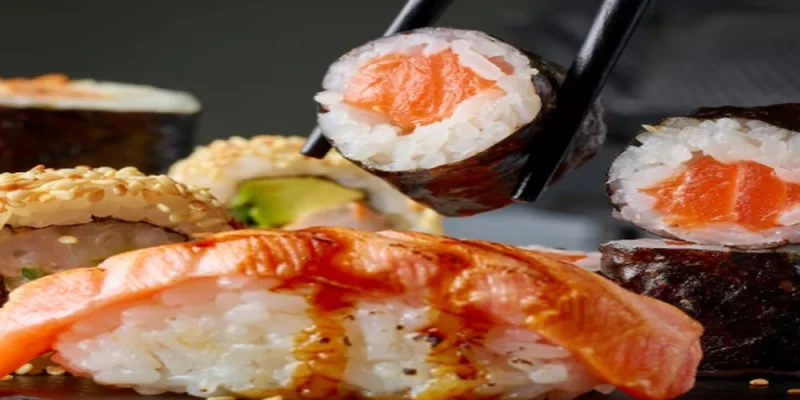
Your first sushi meal should be something to enjoy, not a test you have to pass. Still, it is easy to wonder whether you are using too much soy sauce or holding your chopsticks the wrong way.
A few simple customs can help you feel more comfortable. Most are about appreciating the food, being considerate, and following the restaurant’s lead.
This sushi etiquette guide covers the basics without turning dinner into a list of strict rules. Customs can vary between a casual neighborhood restaurant and a traditional sushi counter, so there is room to ask questions.
Start by Appreciating How the Sushi Is Served
Sushi is built around seasoned rice, with toppings and fillings that may include seafood, vegetables, or egg. Some pieces arrive with wasabi or sauce already added.
Before reaching for the condiments, take a look at what is on the plate. If the chef says a piece is already seasoned, try it that way.
You do not need to recognize every ingredient. A simple “How do you recommend eating this?” is a good place to start.
Eat Each Piece in One Bite When Comfortable
Nigiri, a small mound of rice with a topping, is generally intended to be eaten in one bite. This lets you experience the rice, topping, and seasoning together.
Many cut rolls are also easy to eat this way. Larger rolls can be a different story.
If a piece is too large, take a manageable bite rather than forcing it. Try to keep the remaining portion together and avoid pulling the topping away from the rice.
The aim is to enjoy the food comfortably, not struggle through it for the sake of etiquette.
Use Soy Sauce Lightly
Start with a small amount in the dipping dish. You can add more if needed.
For nigiri, gently tilt the piece so the topping touches the soy sauce. Soaking the rice can make it fall apart and overwhelm its seasoning.
Using clean fingers may make this easier than using chopsticks. There is no need to perform a difficult flip over the dish.
For rolls, a light dip is usually enough. If a roll already has a glaze or another sauce, taste it before adding more.
Some sushi needs no soy sauce at all. Follow any serving guidance the chef provides.
Go Easy on the Wasabi
Many nigiri pieces already contain a little wasabi between the topping and rice. Adding a large amount can overpower the other flavors.
If you would like more, start with a small dab directly on the topping.
At a traditional sushi counter, keeping wasabi separate from the soy sauce is the customary approach. Mixing the two is common in some casual settings, but it changes the flavor of every piece you dip.
If you prefer little or no wasabi, mention it when ordering. That gives the chef a chance to prepare the sushi accordingly.
Use Chopsticks or Your Hands for Nigiri
You do not need advanced chopstick skills to enjoy sushi. Eating nigiri with clean hands is an accepted practice, including at many traditional restaurants.
If you choose chopsticks, lift the piece gently rather than squeezing the rice. When taking a break, place them on the chopstick rest.
A few habits are worth remembering:
- Do not leave chopsticks standing upright in rice.
- Do not pass food directly from your chopsticks to someone else’s.
- Avoid pointing or gesturing with chopsticks.
- Avoid spearing pieces when you can lift them instead.
- Use serving utensils when they are provided for shared dishes.
The first two actions are associated with Japanese funeral customs.
There is also no need to rub disposable chopsticks together. If you notice a splinter or damage, politely ask for another pair.
If chopsticks are difficult for you, ask what other utensils are available. You can enjoy the meal without mastering a new skill at the table.
Eat Ginger Between Different Pieces
The pickled ginger served with sushi is commonly called gari. Its usual role is to refresh your palate between different flavors.
Try a small piece after one type of sushi and before the next. It is generally eaten separately rather than placed on top of the fish.
You do not need ginger after every bite. Use it when you want a break between flavors, and leave it if you do not enjoy it.
Treat Eating Order as a Preference
When choosing your own assortment, starting with milder flavors and moving toward richer or heavily sauced pieces can make it easier to notice subtle differences.
But there is no single required order for every sushi meal. The preparation, seasoning, and fattiness of each piece matter more than a rigid list of fish names.
If you are enjoying omakase, a meal selected by the chef, follow the sequence in which the pieces arrive.
At a casual table with friends, there is no need to rearrange everyone’s plates into a perfect tasting order.
Follow the Chef’s Pace at the Sushi Bar
A sushi counter offers a chance to watch the preparation and ask about unfamiliar pieces.
Keep questions polite and give the chef room to work. Avoid reaching over the counter or placing belongings in the serving area.
When a freshly prepared piece arrives, try to enjoy it reasonably promptly. If you would like to take photos, ask first and keep the interruption brief.
For omakase, discuss dietary restrictions and strong dislikes when booking or before the meal begins. This helps the restaurant explain what it can accommodate.
Enjoy the Meal Without Overthinking It
Good sushi etiquette starts with consideration. Use condiments lightly, handle chopsticks respectfully, and listen when the chef offers guidance.
You do not have to get every detail right. Ask when you are unsure, take your time, and notice what you enjoy.
The point of learning these customs is to feel more at ease at the table, with more attention on the food and the people sharing it.
This post was written by a professional at Fortu. Fortu stands out among the top Restaurants St Petersburg FL, offering an elevated Pan-Asian dining experience in the heart of St. Petersburg, Florida. Celebrating Asia’s vibrant and diverse culture, Fortu introduces bright and bold flavors to a bright and bold city with a menu of locally and sustainably sourced options, from small bites to hearty delicacies. Whether winding down from a beach day or celebrating a special occasion, guests can enjoy a lush, alluring atmosphere and an authentic taste of Asia’s divine cuisine at one of the finest Restaurants In Downtown St Petersburg FL.







Comments