
 By
By 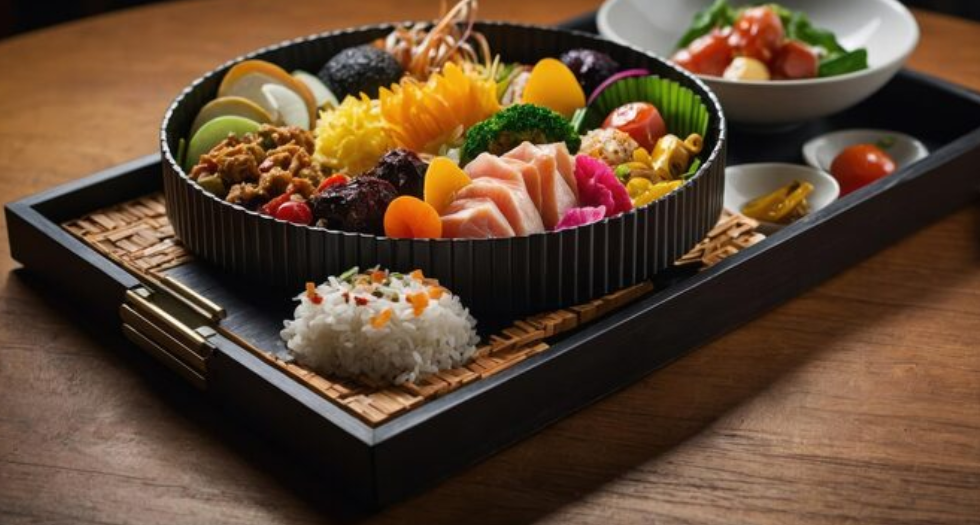
When certain ingredients are brought into the kitchen, everyone leans forward. When you smell citrus or feel a warm nuttiness when a pan reaches temperature, it draws cooks like a magnet. This is something that comes from Japan, and it’s usually seasonal. This is not something we have written down. It’s more of an habit to keep the menu alive. Today, it could be yuzu-kosho. Next month, it could be another chile or an herb that smells mint but is actually basil. I will keep it conversational and honest. Some notes might feel unfinished. At least for me, good food writing is often unfinished.
Here’s a quick tour of what we use, why it works, and how you can do the same. I have added subheadings to the questions that are most frequently asked so you can quickly jump to what piqued your interest.
Why are we so obsessed with seasonal Japanese ingredients?
Seasonality is a way to give flavor a sense for timing. When citrus is in its prime, the acids are rounded and the aromas carry better. Certain herbs will slice more easily and float better on hot dishes when they are at their tenderest. Japanese pantry staples tend to be more clear. Salt tastes more organized than loud. It is likely why we choose them. They let the main ingredients speak, while still nudging them in a particular direction.
- Lighter sauces do not cover up the sear of a steak
- Heat that awakens the tongue but does not numb it
- Citrus notes to lift fat and make you want more
Exists a universal rule? No. We test. We trust our nose. We stop cooking when the dish feels alive and balanced.
Yuzu kosho keeps popping up. What is it, and why does it hurt so much?
Yuzu kosho is a small flavor engine. It is a paste made of yuzu zest and fresh chiles. It smells citrusy at first, and then has a clean, thin heat. Just a little bit will make the dish come alive.
What we do with it at FORTU
- Whisked into a vinaigrette to serve with crudo, or vegetables chilled.
- Last minute, brush grilled fish with butter that has been softened.
- Mix with a splash mirin, and brush on chicken yakitori with flames.
- Dotted on oysters to ensure that the citrus and salinity shake hands
Tip for home cooks: Buy a small jar and keep it chilled. Treat it as you would wasabi. Just a little. Taste. You can always add a little bit more. Overshooting is very easy.
Shiso tastes like mint met basil. What is it used for?
Shiso is difficult to describe without comparing it with other plants. Others say it tastes like mint or basil. Some say it has a hint anise, or green apple. It’s texture that makes us love it. Shiso thinly sliced can lift a rich dish, without fighting it.
Shiso Shines
- Sliced into ribbons and placed over tempura to give it a new top note
- The leaf is tucked beneath sashimi and perfumes every bite
- Sesame oil and herbs are added to a bowl of warm rice.
- Chop into dressings for grilled meat or fat tuna
A word of caution: Too much shiso may overwhelm. You can start with just two or three leaves and then adjust. You’re building perfume and not salad.
Sesame seems simple. Why is it always interesting?
Sesame is a combination of three ingredients. The seeds, paste, and oil all tell slightly different stories.
- The toasted seeds give the dish a nice texture and warmth. Sprinkle over rice, noodles, or greens.
- The finishing touch is sesame oil. One teaspoon of sesame oil can add warmth to a dish, just as a good chord does under a melody.
- Tahini, or sesame paste, gives sauces body and texture without using dairy.
Fortuhabitude
- Toasted seeds are toasted in a pan with a little oil until fragrant. Then, they’re cooled quickly on a sheet of aluminum foil.
- Finish grilling vegetables with sesame and citrus oils.
- Blend tahini, miso, vinegar and honey to create a dressing with just the right amount of cling.
Next time, if you find sesame oil heavy the first time, use half as much. Add it right at the end. When heated, it behaves differently.
What is tare and why do chefs talk about it as if it were a secret handshake
Tare is the base sauce. It starts out with sugar, soy and mirin. Sometimes, ginger, sake, and garlic. Then you simmer until the sauce is glossy. You can use it as a glaze for skewers or to sharpen broth. Tare is more of a living organism that you feed throughout the day. We add a few pan drippings and fresh aromatics to ours.
Tare in action
- The glaze for yakitori becomes darker with each passing night
- Salmon that needs shine, but without syrup can use quick lacquer.
- Add a few drops to ramen soup for added backbone
- Finish vegetables with a warm finish to catch both light and salt.
Make a small batch of this at home in less than 20 minutes. Place it in a jar, and keep it safe. You’ll start sprinkling it all over, which is perfectly fine.
Togarashi crusted steak is a mouth-watering sound. It’s not?
This phrase can be frightening. This is not a fire. Togarashi mixes usually contain chili, orange peels, sesame seeds, nori and ginger. The heat is there, but is not overpowering. Citrus peels lift fat from steaks, while sesame seeds add crunch. The crisp, bright edge is not only spicy but also bright.
How to make a Togarashi crust
- Salt and dry-press the steak normally
- Just before grilling, lightly oil and dust the pan with Togarashi
- To fix the spices in a pan, sear them on a high heat. Then finish at temperature.
- Slice, rest, and squeeze yuzu, or lemon.
The spice enhances the flavor of richer cuts. Spices add interest to lean cuts without covering the meat.
What other Japanese pantry players can we lean on?
They do, and they rotate as the markets change. Roll call:
- Soy and citrus: Ponzu. Ponzu brightens up grilled oysters, cold noodles, and mushrooms.
- Sansho pepper is tingly and floral. Sprinkle a tiny amount over fatty fish to refresh.
- Umeboshi : pickled plums with a tart flavor. Use in sauces to add acidity and sharpness.
- Kombu: dried kelp for dashi. Adds clean umami. Cold infusions are made by putting some in water.
- Katsuobushi – shaved bonito with a smoky flavor. Finishing flourishes on rice or vegetables.
- Sudachi: a small citrus fruit that can be used to add a different flavor profile when yuzu is too perfumed.
All of them are not used in a single dish. This would be noise. It’s important to choose the single note that brings out the main ingredient.
What ingredients can make even simple foods feel special?
Contrast is the short answer. Rich and bright. Cool with heat. Crunch with silk. We have a few favourite patterns:
- When fat is the main ingredient, add citrus.
- Add herb to the top layer when you need a texture.
- When something tastes thin, add sesame heat
- When the bite is too short, add heat
- Add umami to the middle of the hollowed out portion
When you taste, you can detect these patterns. You may need heat or salt if a bite begins strong but then fades. If the bite starts strong and doesn’t lift, then you probably need herb or acid.
What are the best seasonal changes to make at home?
Each week, try a small change. Try it out and see what sticks.
- Store a jar yuzu-kosho in the refrigerator and a bottle ponzu.
- Sesame seeds can be toasted in batches and stored airtight
- If you can, grow a small amount of shiso. It is surprising forgiving
- Use a half-cup of tare to brush on the vegetables that you have already grilled
- Try a new citrus fruit when they arrive in the market and compare it to what you usually use
It is not necessary to replace your entire pantry. The most fun is found when you use a spoonful of food at the right moment.
How can we strike a balance between tradition and a modern menu.
It’s a delicate piece. We respect the ingredients and the techniques that came with them. We ask ourselves what we need in the kitchen that day. Perhaps the fish needs acid because it is too buttery. Perhaps the vegetables were extra sweet. Tradition provides a good starting point. Service is the answer.
We sometimes use tare differently than a classic recipe. We sometimes keep ponzu as it is written. After two bites, the right choice usually emerges after a nod and a couple of test bites.
These flavors are suitable for guests who prefer a milder spice or don’t want raw fish.
Absolutely. These ingredients are not made to be eaten raw. You can achieve the same clarity with grilled chicken or squash roasted, as well as a noodle dish with mushrooms. If heat is a concern, you can use togarashi in a milder manner or switch over to citrus and sesame. Balance is the goal, not brilliance.
Quick ingredient cheat sheets
Yuzu kosho
- Pair with fatty fish or grilled chicken.
- Start by using a small amount
- Keeps best cold, airtight
Shiso
- Cut into thin ribbons to garnish
- Use between two and three leaves per serving
- Both green and red varieties are available.
Sesame
- Toast the seeds until fragrant, then cool quickly
- Sesame oil should be added at the end of a sear, not in the middle.
- Blend tahini, miso, and vinegar to make a quick sauce
Tare
- Sugar, soya mirin and sugar simmered to glossy
- Brush the grill in the final minutes of cooking
- As needed, refresh with a new splash of soy
Togarashi
- Dust lightly before Searing Steaks or Tuna
- Citrus is a great way to finish off your dish.
- Keep the peel sealed to keep it fragrant
What dishes do we pair these with at FORTU right now?
These ideas are not only on the menus, but also in tastings.
- Sesame dressing with shaved katsuobushi, broccoli charred
- Cold noodles with shiso and crispy garlic
- Grilled Salmon finished with tare, yuzu and a hint of kosho
- Seared steaks with a togarashi crust, and a citrus herb salad
- Crispy tofu topped with tahini and miso sauce, warm sesame seeds
On some days, we switch the herb. We sometimes swap the herb. The form remains. Details can change a bit with the mood and produce of the room.
Takeaways
- The seasonally-available Japanese ingredients provide clarity, not cover.
- Yuzu kosho has power in small doses. Respect it.
- Shiso is a fragrance and texture. It does not have a lot of bulk.
- The three voices of sesame: seeds, oil and paste
- Tare is living sauce. It will return the favor if you feed it.
- Togarashi adds a bright, crisp edge to steaks without overpowering them with fire.
- Create contrast with purpose. Acid for fat, herb for weight, heat for length.
- Start small. A new spoonful of food can make a huge difference to your dinner.
FAQ
What’s the difference between lemon and yuzu in cooking?
Yuzu has a floral scent that is softer and richer than lemon. If you don’t have yuzu on hand, you can substitute a pinch of lemon juice. The result will be more direct and leaner.
Use shiso in place of basil, for example.
Sometimes. Shiso has a brighter flavor and is a bit minty. It is best used in lighter dishes, and it can be a bit out of place when you are expecting the warm peppery flavor of basil.
Sesame oil is only used for finishing.
Mostly. The fragrance is maintained by adding a small amount towards the end. The aroma may be diminished if you cook the food too long. You can find exceptions by tasting.
How long can tare be stored?
If you store it in the refrigerator, you can keep it for a few weeks if you cleanly handle and reheat your food. In many kitchens, the food is kept longer by simmering and feeding. Smaller batches are easier to prepare at home.
Is togarashi too hot for guests with sensitive skin?
The majority of blends are moderate. Finish with citrus. Heat should be lively and not aggressive.
What should I do first?
Both can be used to transform simple grilled food. They both transform simple grilled foods in minutes. If you’re looking for a more mellow boost, sesame oil is your best bet.
Just a small thought to close.
They are clearer. The most satisfying plates this season are not louder. Crisp edges on steak. Citrus notes that let you taste both the sear and the spice. An herb drifts on top of a bowl, making it smell fresh. This is the type of cooking that we strive for at FORTU. You can do it at home if you have a few new tools. Start tiny. Taste often. Each ingredient should be able to do its job. All the rest follows.
This post was written by a professional at Fortu. Fortu stands out among the top Restaurants St Petersburg FL, offering an elevated Pan-Asian dining experience in the heart of St. Petersburg, Florida. Celebrating Asia’s vibrant and diverse culture, Fortu introduces bright and bold flavors to a bright and bold city with a menu of locally and sustainably sourced options, from small bites to hearty delicacies. Whether winding down from a beach day or celebrating a special occasion, guests can enjoy a lush, alluring atmosphere and an authentic taste of Asia’s divine cuisine at one of the finest Steakhouse St Petersburg FL.






Comments