
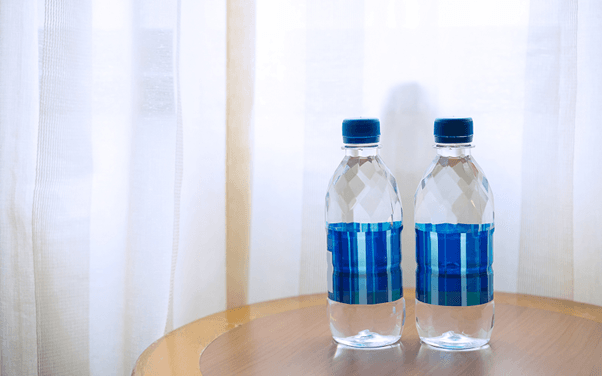
The Potential Risks of Hydration Drinks
Hydration is often linked to better energy levels, improved focus, and enhanced performance during exercise. With so many products on the shelves, it can be tempting to pick up the latest option that promises instant replenishment. However, not all healthy drinks are created equal. Some come with hidden downsides that many people in Singapore may overlook when making their choice.
Why Hydration Drinks Are Popular
From office workers rushing between meetings to athletes training under the hot sun, Singapore’s climate makes it easy to see why hydration drinks have become popular. These beverages are often marketed as essential for replenishing fluids and electrolytes lost through sweat. Yet while they can help in certain situations, overconsumption or poor selection might pose unexpected issues. The convenience of grabbing a hydration drink in Singapore has led many to treat them like everyday refreshments rather than specific solutions for active lifestyles.
Sugar Content and Hidden Calories
One of the biggest concerns with hydration drinks lies in their sugar content. Many brands add significant amounts of sugar to enhance flavour and provide quick energy. While this may sound appealing after a workout, it also means unnecessary calories that add up over time. For someone who is not exercising heavily, these extra sugars can contribute to weight gain and higher risks of lifestyle-related conditions such as diabetes. Consumers often assume they are choosing healthy drinks, but without reading the label closely, they may be taking in more sugar than expected.
Artificial Additives and Flavourings
Beyond sugar, hydration drinks often include colourings, preservatives, and artificial flavourings. While small amounts may be considered safe, constant consumption raises questions about long-term health. Artificial additives can sometimes cause digestive discomfort or sensitivities, and in rare cases, allergic reactions. This makes it important for those who prefer healthy drinks in Singapore to check ingredient lists carefully. Opting for natural alternatives like coconut water or diluted fruit juices may offer hydration benefits without the added chemicals.
Electrolyte Imbalance Risks
Electrolytes such as sodium, potassium, and magnesium play a key role in balancing fluids in the body. Hydration drinks are marketed for restoring these minerals after intense exercise, but problems arise when people consume them without actually needing the extra salts. Too much sodium, for example, can raise blood pressure and put unnecessary strain on the heart. Instead of improving well-being, excessive use can create imbalances that may affect overall health. This highlights why moderation and context matter when selecting a hydration drink in Singapore.
Misleading Marketing and Everyday Use
Another risk comes from the way hydration drinks are advertised. Words like “energy,” “performance,” or “recovery” often suggest that these beverages are suitable for daily use. In reality, most people who are only lightly active throughout the day do not need such replenishment. Water remains the most effective and safest way to stay hydrated. Reserving hydration drinks for more demanding physical activity helps avoid the pitfalls of relying on them unnecessarily. Shoppers looking for healthy drinks should keep this distinction in mind when browsing store shelves.
Finding Safer Alternatives
For those seeking reliable options, the good news is that there are plenty of alternatives available. Coconut water is naturally rich in electrolytes and lower in sugar compared to many commercial brands. Infused water with slices of fruit like lemon, cucumber, or berries adds a refreshing taste while keeping sugar levels minimal. Some local cafes and juice stalls are also embracing a trend toward natural beverages, catering to growing demand for healthier choices. As more awareness spreads, consumers searching for healthy drinks in Singapore have better access to nutritious and safer options.
Conclusion
Hydration drinks can serve a useful purpose for athletes and those undergoing heavy physical activity, but they are not meant for constant, everyday consumption. Sugar, additives, and electrolyte imbalances all pose potential risks when taken without consideration. By reading labels, choosing wisely, and exploring natural alternatives, consumers can enjoy the benefits of hydration while avoiding the downsides. If you are keen to make smarter lifestyle choices, contact True Hydration today to learn more about selecting the right beverages for your health and well-being.